
Tips for Creating a Cozy and Inviting Home Workspace
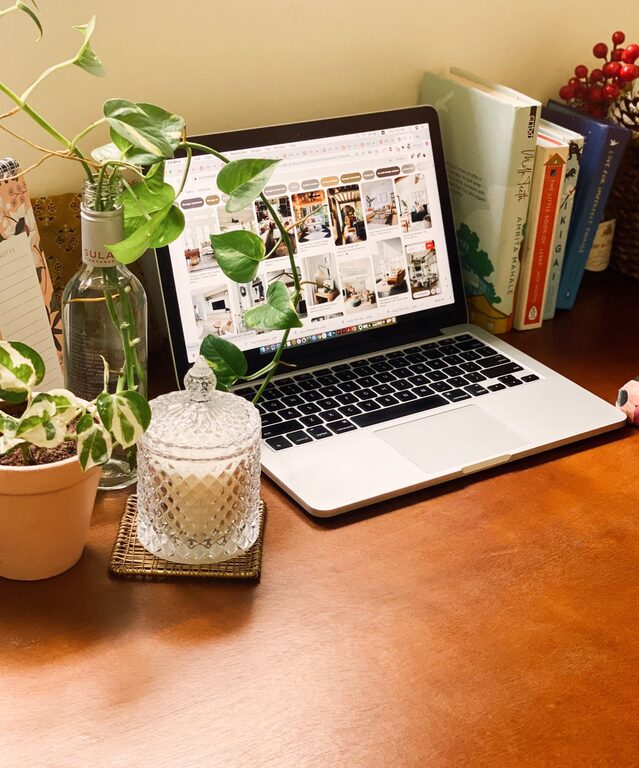
Creating a workspace at home that feels cozy and inviting can make a big difference in your daily productivity and overall well-being. Whether you work remotely, study, or pursue creative projects, having a comfortable and personalized work area helps you stay focused and motivated. Here are some practical tips to help you design a home workspace that combines comfort, functionality, and style.
Choose the Right Location
Finding the perfect spot in your home for your workspace is the first step. Consider these factors:
– Natural Light: Position your desk near a window if possible. Natural light helps reduce eye strain and lifts your mood.
– Quiet Environment: Select a place where you can concentrate without distractions from household noise.
– Proximity: Balance between being close enough to amenities yet separate enough to create a work mindset.
If space is limited, a corner in the living room or bedroom can work well with creative organizing.
Invest in Comfortable Seating
Your chair is one of the most important elements in your workspace. An ergonomic chair that supports your back and encourages good posture can prevent discomfort during long work sessions. To enhance coziness:
– Add a soft cushion or lumbar pillow.
– Choose a fabric or material you enjoy sitting on.
– Adjust the height so your feet rest flat on the floor.
Don’t hesitate to take breaks to stretch and move around.
Personalize Your Desk Area
Make your workspace feel welcoming by adding personal touches that inspire you. Here are some ideas:
– Use colorful stationery or organizers.
– Place a small plant or succulent for a refreshing touch of greenery.
– Hang artwork, motivational quotes, or photos that bring positive energy.
– Keep a favorite mug for your coffee or tea within reach.
Personal elements make the workspace uniquely yours and more inviting.
Optimize Lighting for Comfort
Good lighting is key to reducing eye strain and maintaining alertness:
– Combine natural light with adjustable task lighting, such as a desk lamp.
– Choose warm-toned bulbs to create a soft and cozy atmosphere.
– Avoid glare on your computer screen by positioning lights properly.
Consider dimmable options to adapt lighting based on the time of day.
Keep Your Workspace Organized
Clutter can make any area feel stressful and unappealing. Keeping your desk tidy boosts focus and helps you feel calm:
– Use drawer organizers to separate office supplies.
– Employ cable management solutions to reduce tangled cords.
– Declutter regularly by removing unnecessary items.
– Designate storage areas for papers and files.
A clean, organized space invites you to start working without hesitation.
Incorporate Soft Textures and Colors
Soft textures add warmth and comfort to your workspace. Consider:
– Placing a small rug under your chair or desk area.
– Draping a cozy blanket over your chair.
– Using curtains or blinds in gentle fabrics to soften the space.
Choose soothing color schemes such as muted blues, greens, or earth tones. These can make the area feel relaxed and welcoming.
Add Elements That Promote Wellness
A workspace designed with wellness in mind supports your mental and physical health:
– A desk plant improves air quality and adds life to the room.
– An essential oil diffuser with calming scents can help reduce stress.
– A small water bottle on your desk encourages hydration.
– Taking regular breaks for stretches or short walks refreshes your body and mind.
By incorporating wellness features, your workspace becomes a healthier, more enjoyable place to spend time.
Utilize Functional and Flexible Furniture
If space is tight or your needs vary, flexible furniture options help maximize comfort and functionality:
– Choose a desk with built-in storage or shelves.
– Use a foldable or adjustable desk to switch between sitting and standing.
– Incorporate multi-purpose furniture like an ottoman with hidden storage for extra supplies.
Flexibility allows you to adapt your workspace as your routines change.
Maintain a Work-Life Balance in Your Space
Since your workspace is at home, it’s important to separate work time from relaxation, even in the same room:
– Set clear boundaries by closing a door or using room dividers.
– Avoid working in bed or on the couch to maintain mental separation.
– End your workday by tidying your desk and turning off work devices.
Creating a space with defined “work” and “rest” zones helps maintain balance and reduce burnout.
—
In conclusion, designing a cozy and inviting home workspace is about more than just aesthetics. It’s about creating an environment that supports your comfort, encourages focus, and reflects your personal style. By choosing the right location, investing in comfortable furniture, personalizing your space, optimizing lighting, and maintaining organization, you can make your home workspace a place you look forward to spending time in every day. Take your time to experiment with different ideas and find what makes you feel most at ease and productive. Happy decorating!